Security firm Previdian says honeypots recorded more than a thousand attempts to exploit a maximum-severity bug in the open-source AI workflow platform.
The vendor says its new Agentic AppSec approach puts autonomous agents on finding, fixing and verifying vulnerabilities, with humans setting the standard.
CVE-2026-76066 covers IntentKit through version 2.6.3, where the executor checks tool calls against the full registry rather than the narrowed per-request list.
Security firm XBOW says it used OpenAI's publicly available GPT-5.6 Sol model to chain three unknown Chrome bugs, earning Google's top $250,000 bounty.
A report published on 14 October 2026 says the agent worked unaided during an authorised assessment, and that proving the flaw was harder than exploiting it.
A path validation bypass let the Copilot coding agent write to its own settings files and run arbitrary commands, according to the researcher who reported it.
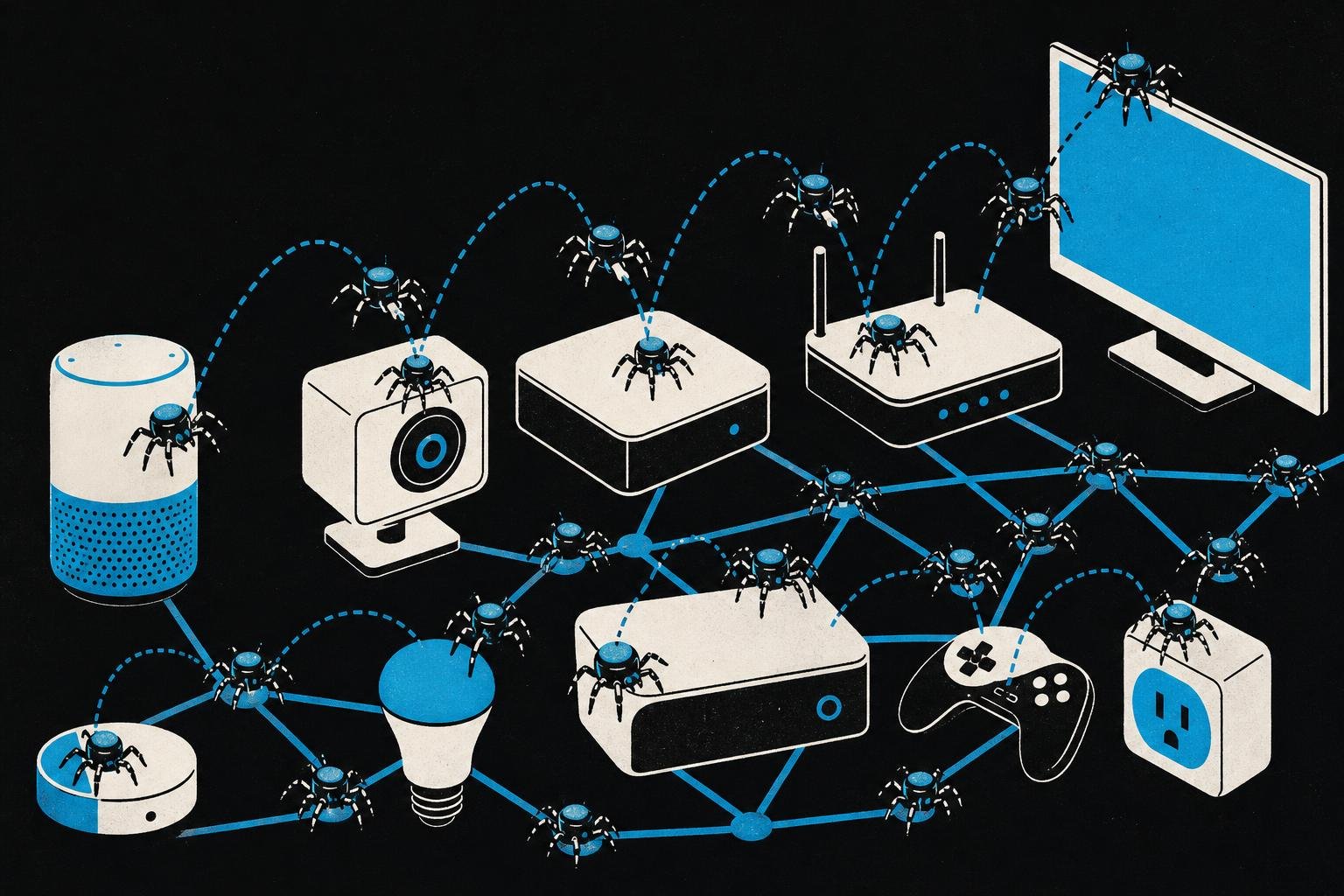
Experiments described by the company found that cheap television boxes can run capable models, raising the prospect of AI spreading between devices without human help.
A tool exposed to AI agents wrote nginx configuration straight to disk without the validation applied to every other write path, according to an advisory published on 12 October 2026.
Booz Allen Hamilton says frontier models completed all eight of its industrial attack tests, moving from perimeter to control network in little over a quarter of an hour.
Two CVEs published on 10 October 2026 describe how malicious repositories can combine symlinks with prompt injection to escape workspace write limits in phi and open-multi-agent.