
Attacker Poses as AI Crawlers to Hunt for Exposed Credentials
A threat actor disguised internet-wide scanning as traffic from OpenAI, Anthropic and Meta bots, Dark Reading reported on 28 October 2026.
By The Agentic Times ·
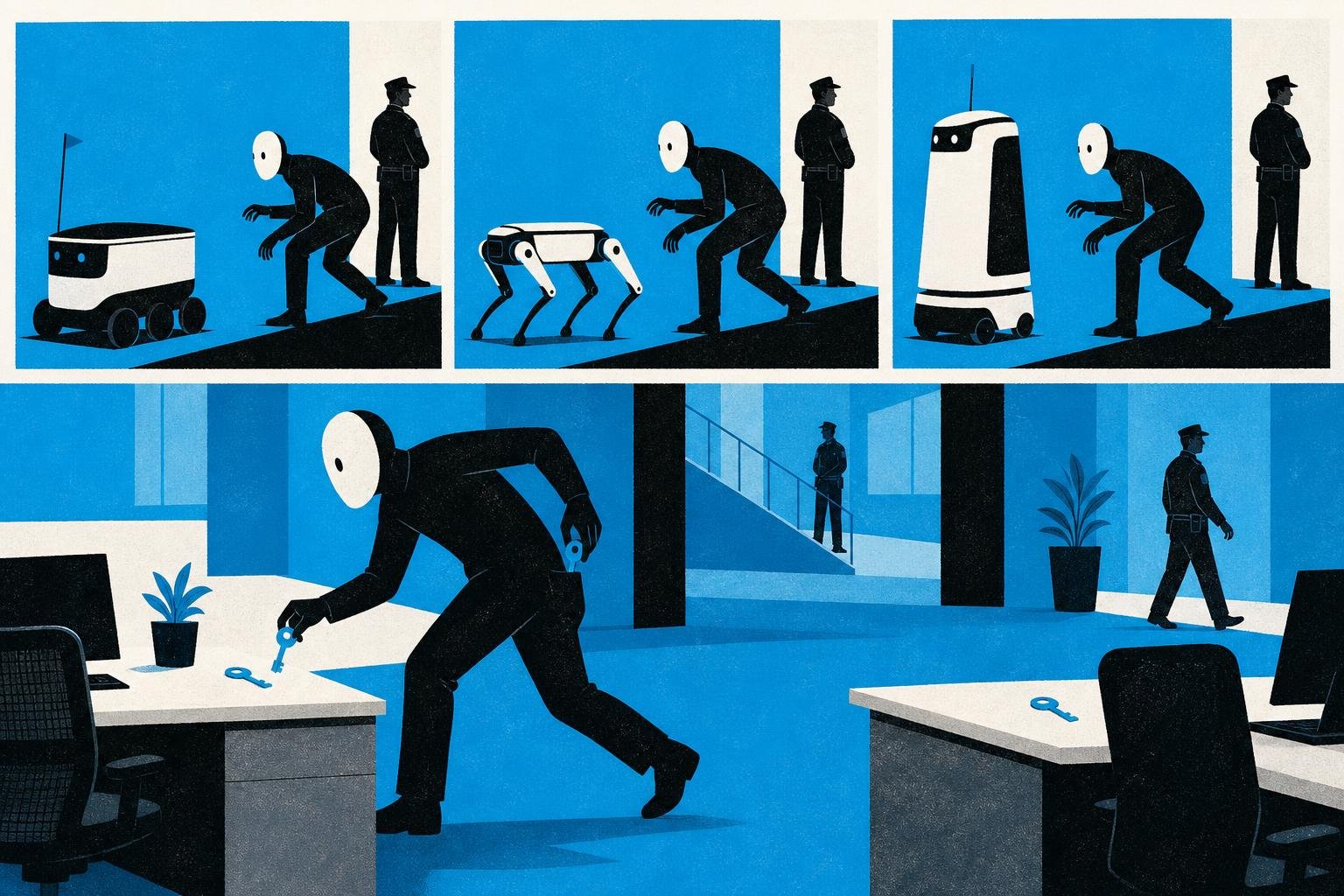
A threat actor has been scanning the internet for exposed credentials and data while disguising the activity as traffic from well-known AI crawlers, according to a report published by Dark Reading on 28 October 2026.
The attacker used fake user-agent strings — the short text label a browser or bot sends to identify itself to a website — that mimicked agents operated by OpenAI, Anthropic, Meta and others. Dark Reading described the scanning as relentless, with the operator lurking behind the borrowed identities to find exposed data.
No single vendor is the victim here. The companies named are being impersonated rather than compromised, and the report does not identify a specific product flaw. The targets are websites and services anywhere on the internet that leave credentials or other sensitive material reachable by an automated crawler.
The disguise appears to be the point. The incident record drawn from the report notes that the fake identities were likely intended to evade detection filters. That matters because user-agent strings are trivial to set to any value, and many site operators now treat crawler traffic from large AI companies differently from ordinary scanning. Some allow it, some log it less aggressively, and some write rules around it. An attacker who adopts the same label can ride on whatever leniency a site has granted.
The practical consequence for defenders is that the name a bot gives itself is not evidence of who it is. Reputable crawler operators publish ways to verify their traffic, and a user-agent string on its own carries no proof. Blocking or allowing on the basis of that string alone gives an attacker a ready-made key.
Details released so far are limited. Dark Reading's report does not name the threat actor, give a volume of requests, or say how many systems were successfully scanned or what data, if any, was taken. There is no indication in the report of when the campaign began, and no attribution to a known group or country. The incident is recorded as reported rather than resolved.
The case is a reminder that the rise of AI agents and crawlers has created a new category of traffic that many organisations have not yet decided how to treat. Every allowance made for one of those agents is an allowance an impersonator can try to claim. Until verification becomes routine, scanning that looks like an AI company's bot should be treated as scanning until proven otherwise.
Sources
- darkreading.comhttps://darkreading.com/cyber-risk/attacker-impersonates-ai-bots-scans-credentials