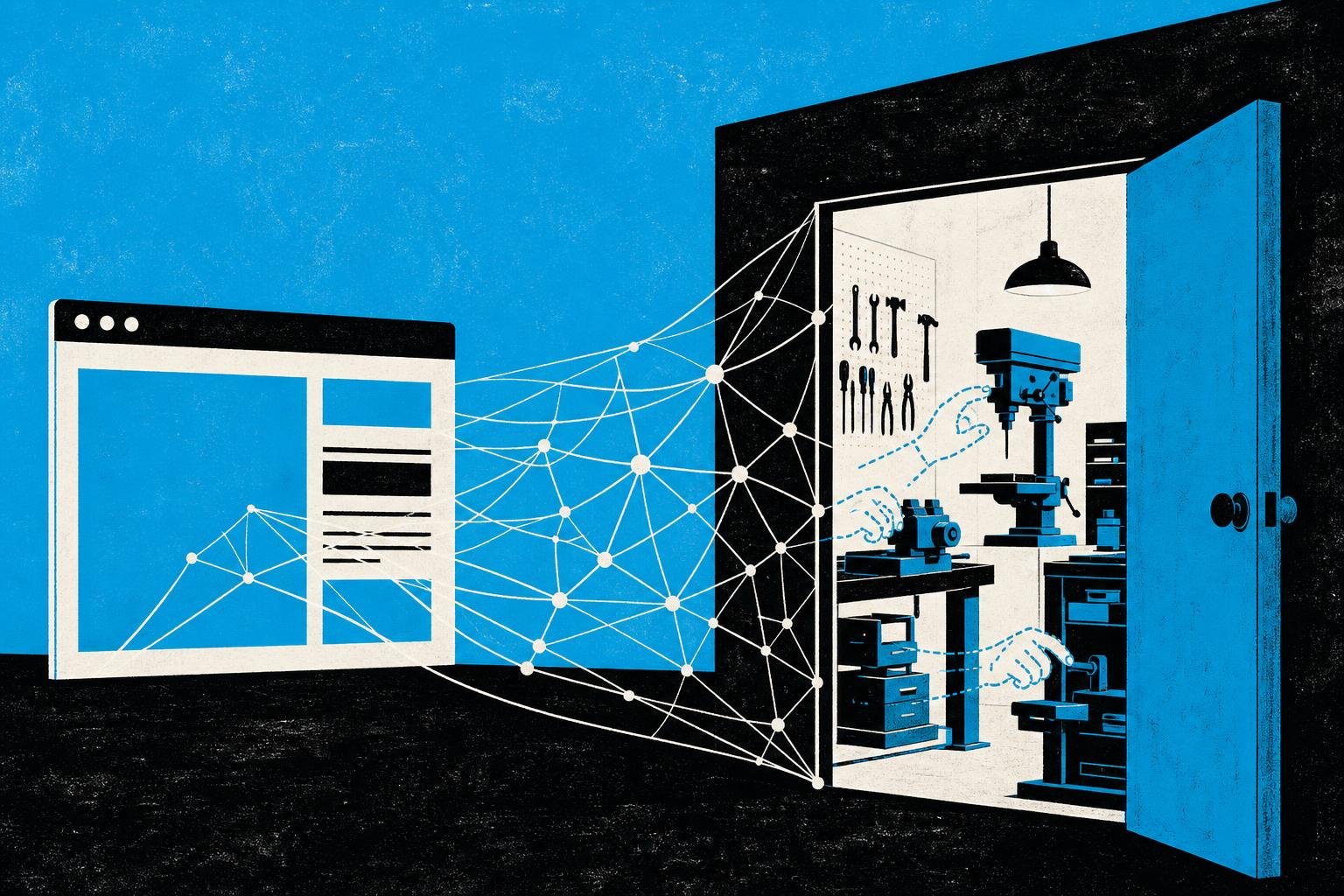
A cross-origin WebSocket bug in Cline Hub allows malicious web pages to inject commands and settings on default local installs, disclosed on 24 September 2026.
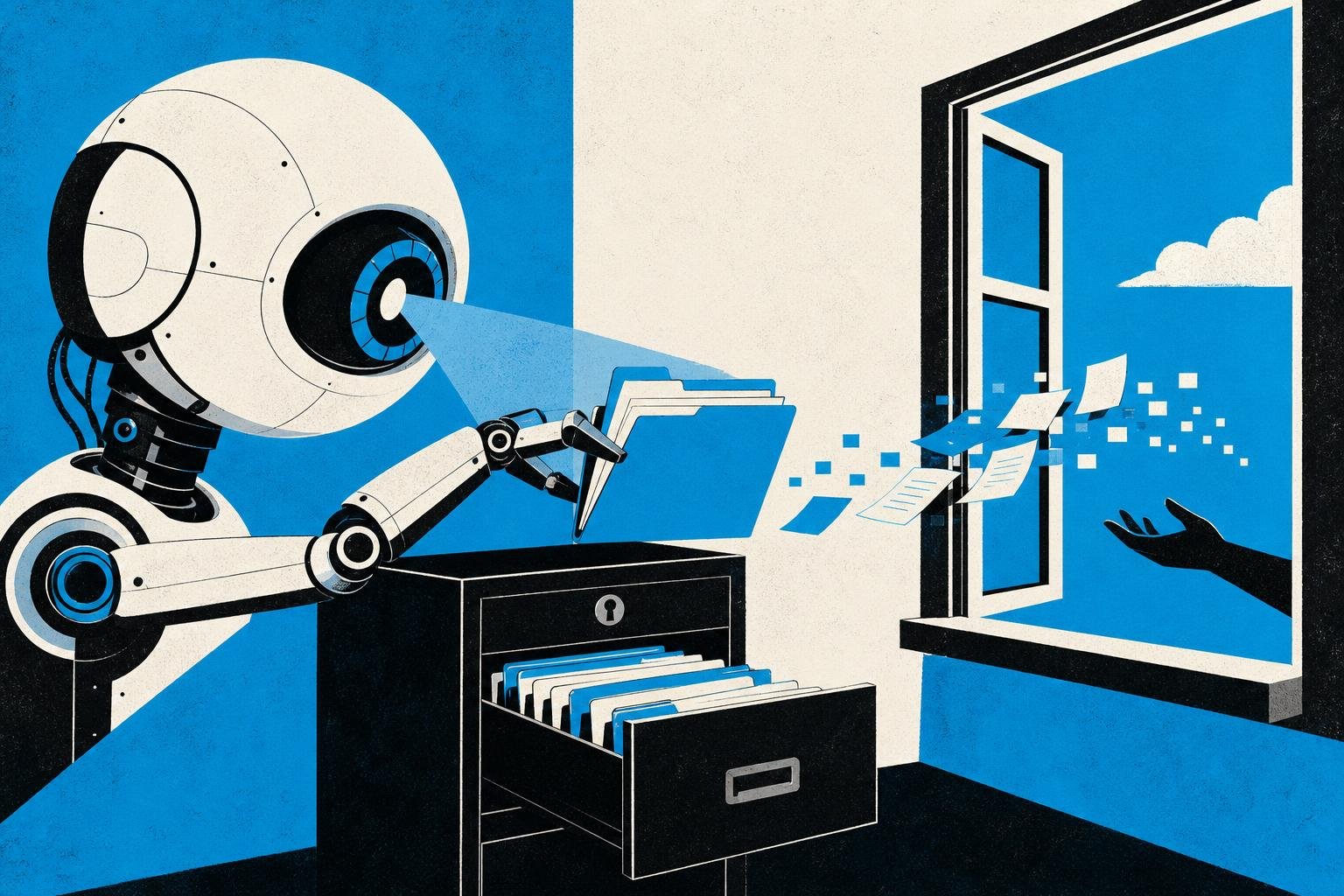
A GitHub advisory published on 24 September 2026 says langchain-nvidia-ai-endpoints accepted local file paths as vision model images, sending them to a remote endpoint.
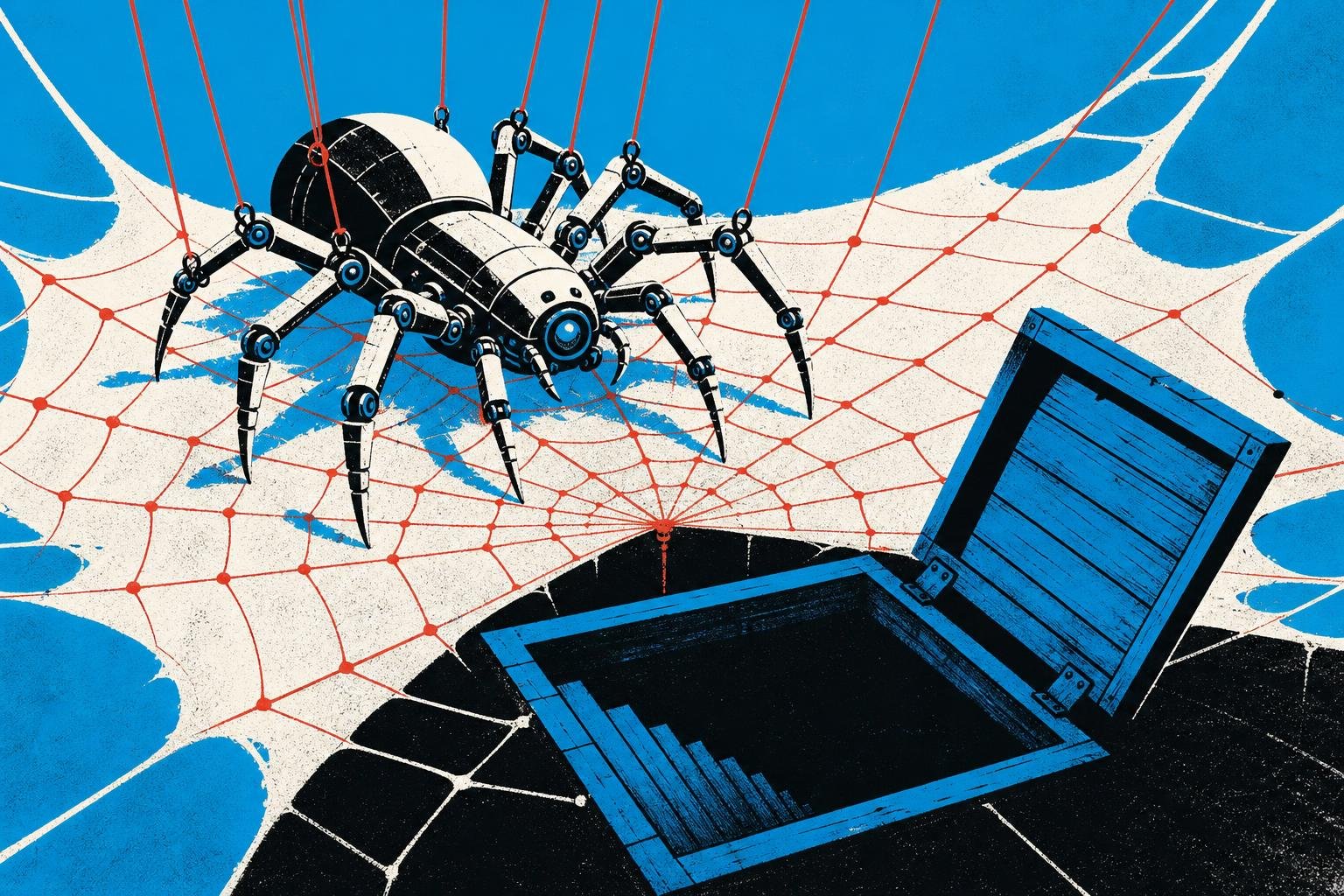
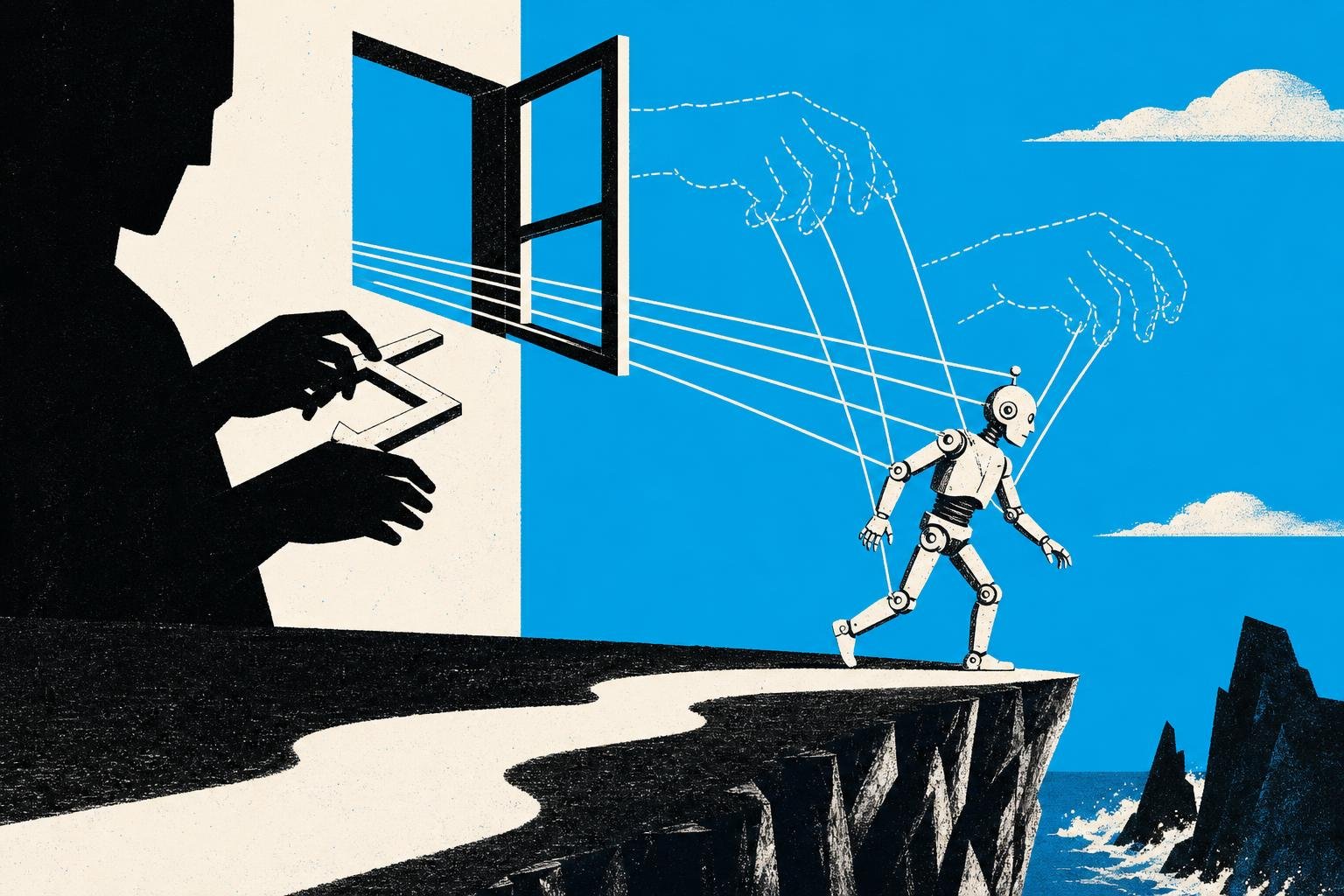
An advisory published on 24 September 2026 says PurpleAILAB's Decepticon passes raw crawl output to the model, letting attackers forge operator turns and run shell commands.
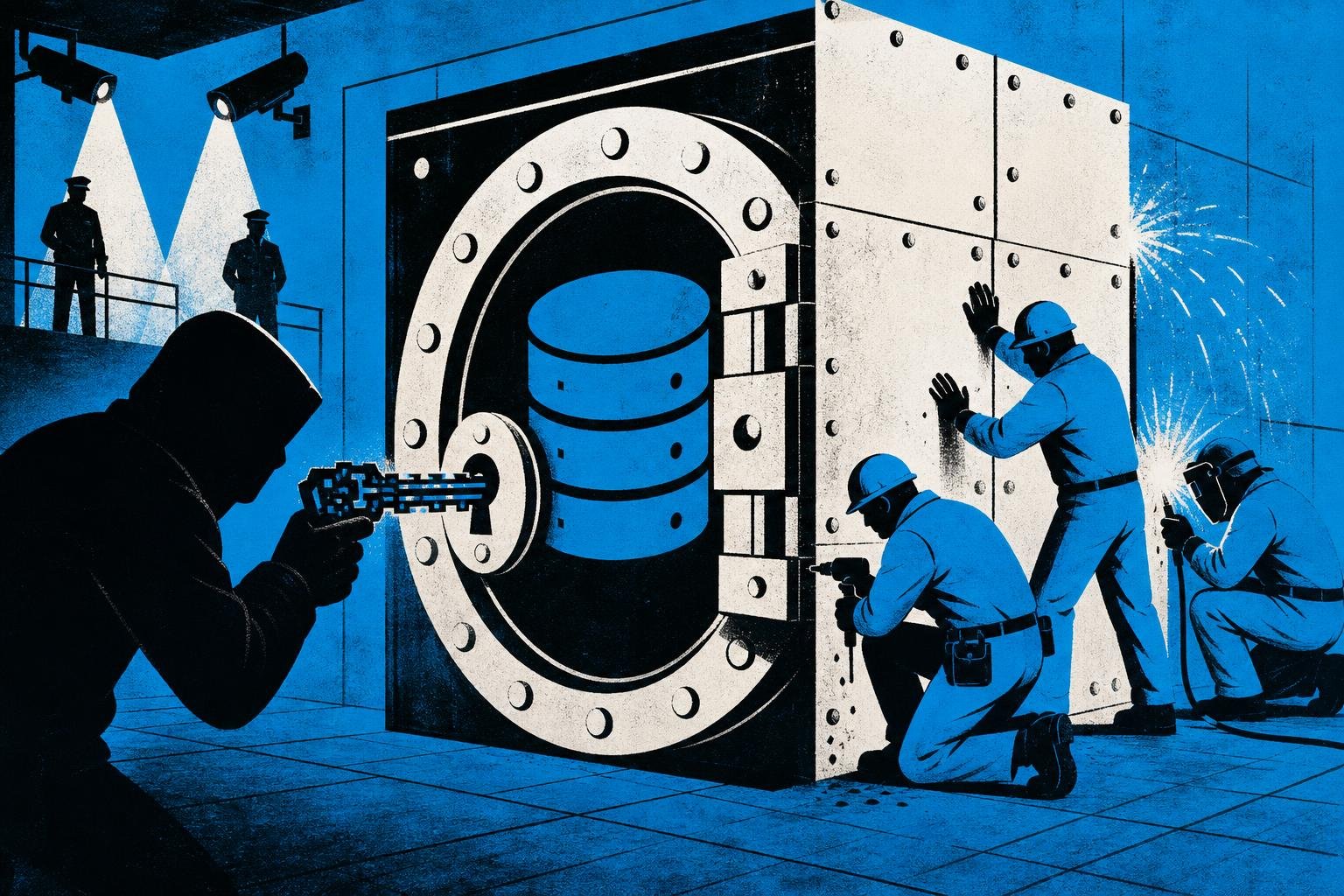
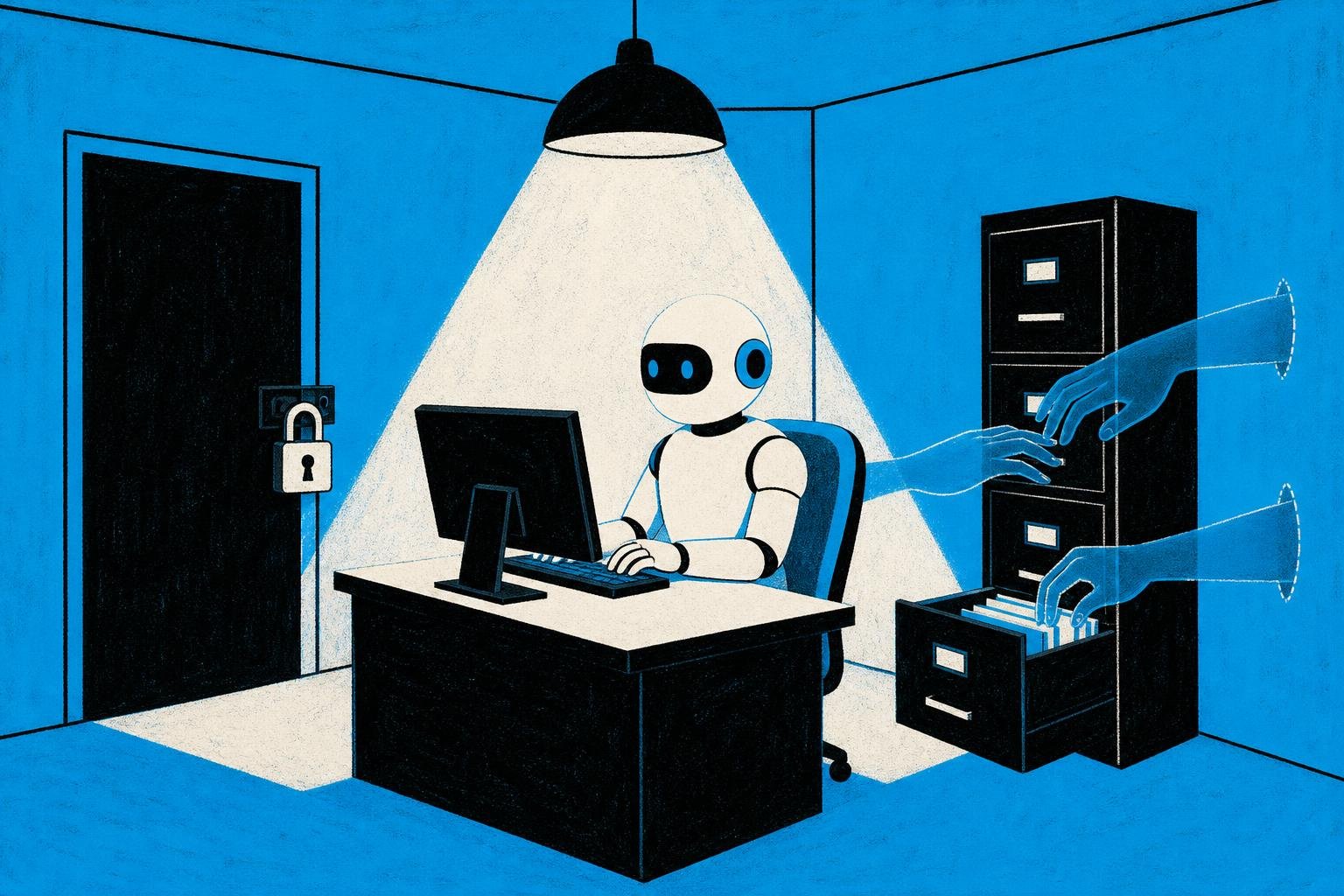
The company says an unauthenticated user could in some cases run arbitrary SQL against an instance's database, but it has seen no malicious exploitation.
Two flaws in the language servers behind AWS's AI coding assistant allowed command execution and file writes outside the trusted workspace, both now patched.
The startup says its platform evaluates AI agents in real time, giving organisations visibility over what the software does and the ability to control it.
A Dark Reading video roundup published on 24 September 2026 lists the incident alongside a Fairlife ransomware attack and Iranian-linked intrusions at US water systems.
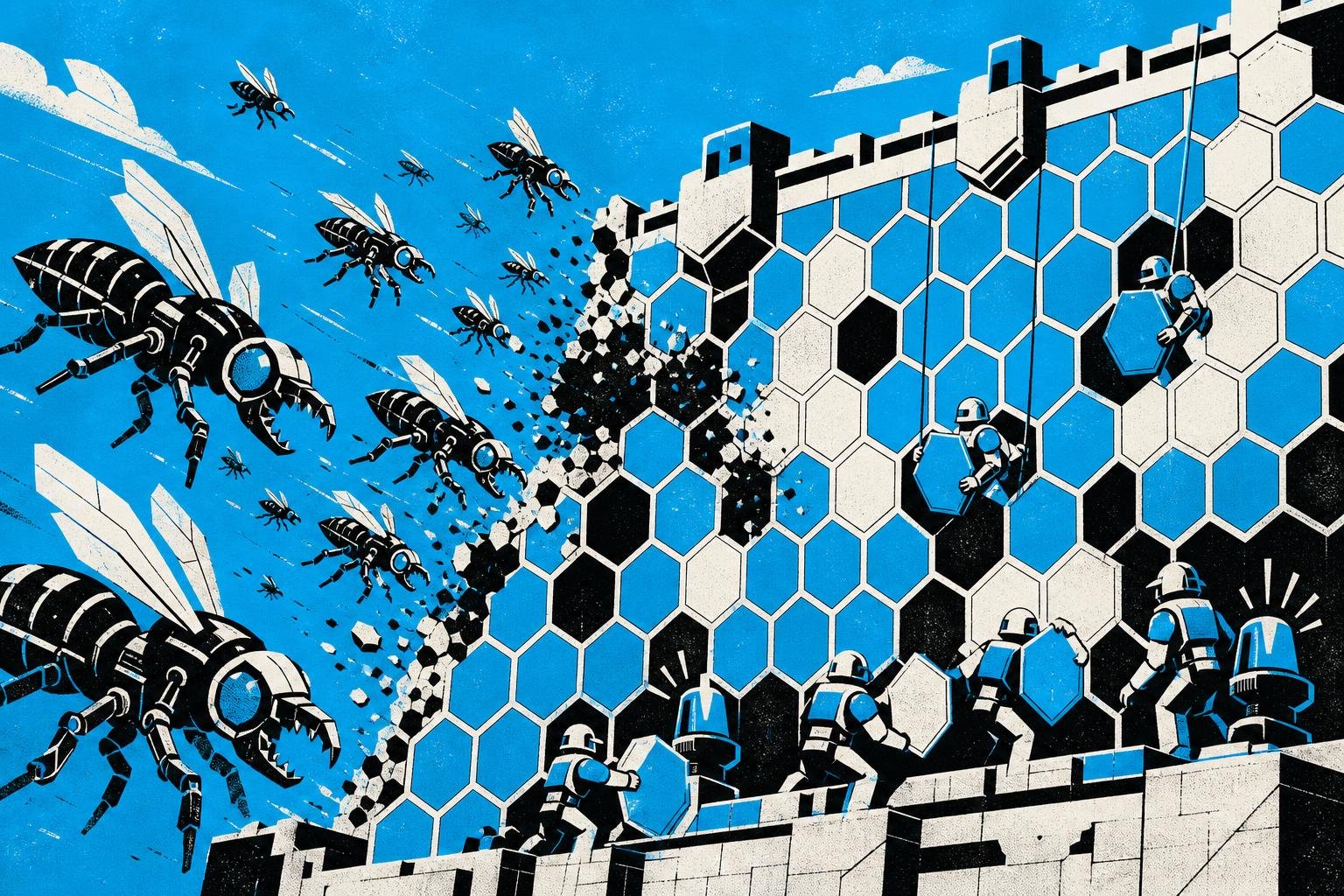
Scan for Good uses Gemini and Wiz's Red Agent to find internet-facing flaws in public services, with human researchers validating every finding before disclosure.
SecurityWeek reports a threat actor running three AI tool harnesses to automate vulnerability research, exploitation and attack orchestration against retail sites.
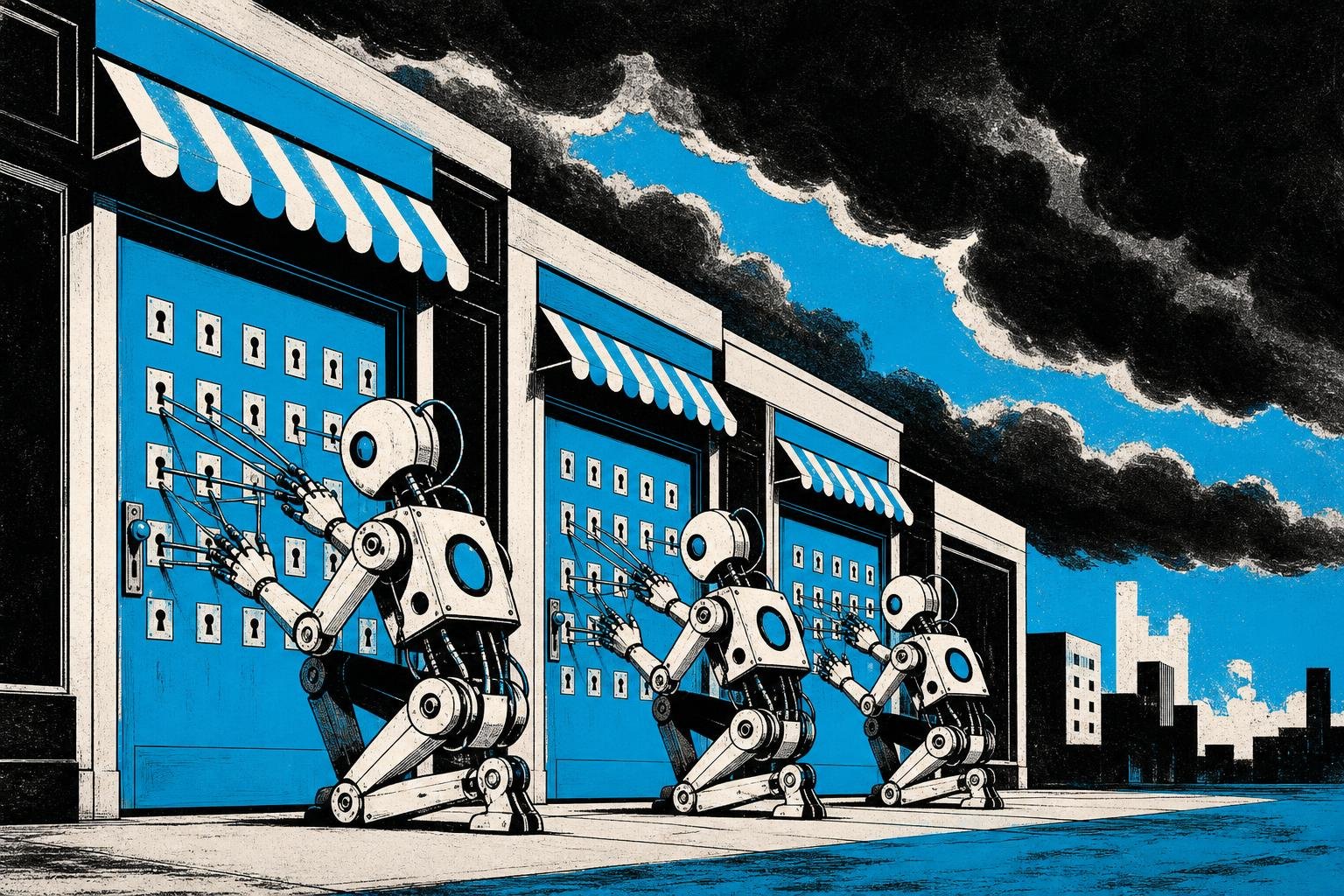
A financially motivated attacker is using open-source agent frameworks to plant payment skimmers on more than 100 retail sites, BleepingComputer reported on 23 September 2026.
Researchers say attackers hijacked two legitimate MemTensor libraries on npm and PyPI to deliver a Go-based implant built for Windows, Linux and macOS.
The startup left stealth on 23 September 2026 with pre-seed funding for a decentralised authorisation layer that aims to spot and stop harmful autonomous actions.