
Backslash trick lets browser-use agents reach internal hosts
A URL parsing mismatch in browser-use before version 1.0.0 let prompt injection push the agent past domain and IP blocklists, according to a CVE record published on 24 November 2026.
By The Agentic Times ·
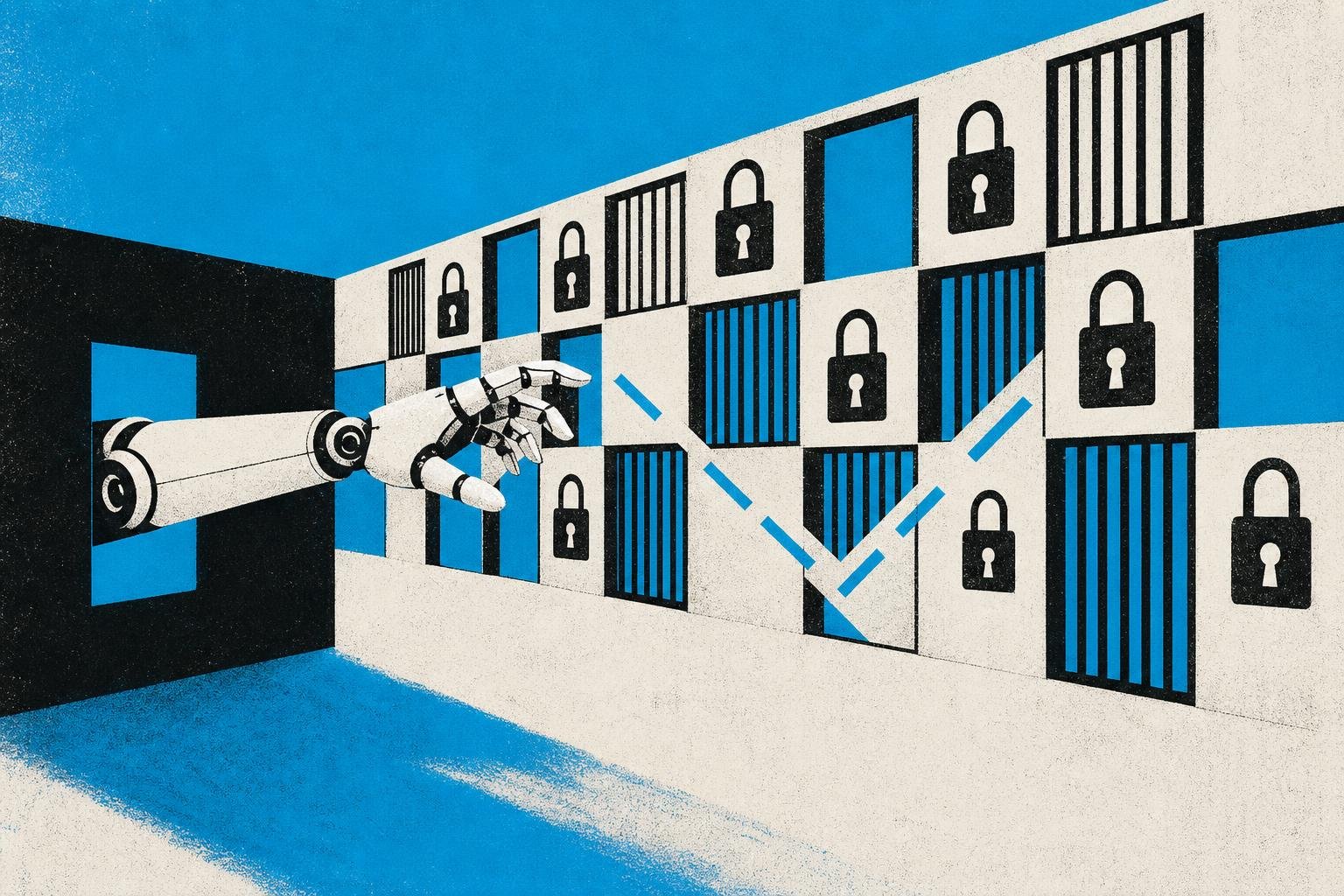
A vulnerability in the open-source agent framework browser-use allowed attackers to bypass its built-in URL restrictions and make the agent send requests to internal or arbitrary external servers, according to a National Vulnerability Database entry for CVE-2026-136452 published on 24 November 2026.
The flaw sits in SecurityWatchdog, the component that is supposed to stop a browsing agent from visiting addresses it has not been cleared to visit. According to the NVD record, browser-use before version 1.0.0 contains a "URL parser differential" there. That means two pieces of code in the same system disagree about what a URL actually says. In this case the Python standard library function urllib.parse extracted one hostname from a crafted address, while Chromium, the browser engine that eventually loads the page, applied WHATWG-style parsing rules and arrived at a different one.
The trigger described in the advisory is simple: put a backslash before the allowed host in the URL. The watchdog reads the string one way and concludes the destination is permitted. The browser reads it another way and goes somewhere else. According to the record, this defeats all three of the framework's main guard rails at once, namely the allowed_domains list, the prohibited_domains list, and the block_ip_addresses check.
Getting the agent to use such a URL does not require access to the operator's console. The NVD entry says attackers can influence an LLM-controlled navigate action, "such as through prompt injection", to send the request. Prompt injection means hiding instructions in content the model reads, such as a web page the agent has been asked to summarise, so that the model treats those instructions as part of its task.
The consequences listed are server-side request forgery, or SSRF, where the attacker makes a trusted system issue requests on their behalf. According to the advisory, the agent can be pointed at loopback addresses, private network addresses or arbitrary external hosts. The request goes out before the browser redirects to about:blank, so even though the agent does not end up displaying the page, the request still lands. The record notes this is enough to cause "persistent state changes on the target server" — in other words, the request can change data, not merely read it.
That detail matters for anyone running browser-use inside a corporate network or a cloud environment, where loopback and private addresses often host internal admin panels, metadata services and unauthenticated APIs that assume only trusted local code can reach them.
The NVD entry references a commit and pull request 6314 in the browser-use repository, along with the project's 1.0.0 release notes, indicating the fix is in version 1.0.0. An advisory from VulnCheck covering the same issue is also referenced.
The pattern here is not unique to this project. Parser differentials have long been a reliable source of access-control bypasses in ordinary web software, because filters and fetchers are usually written against different libraries with different rules. What the agent setting adds is the delivery mechanism. A conventional SSRF bug needs an attacker to reach a request-forming parameter. An agent that reads untrusted web pages and decides where to navigate next supplies that reach by default, which is why a string-level parsing quirk becomes remotely triggerable through text alone.
Sources
- nvd.nist.govhttps://nvd.nist.gov/vuln/detail/CVE-2026-136452