The chipmaker's reference architecture ties agent sandboxing, credential brokering and behaviour monitoring to its own Vera, Rubin and BlueField hardware.
A piece published on 21 October 2026 argues the engineering in agentic penetration testing sits in the controls wrapped around the model, not the model itself.
Researchers reported on 21 October 2026 that the model produced code 19% more likely to be hackable when told the customer was a US defence contractor.
A vulnerability disclosed on 21 October 2026 affects HKUDS Vibe-Trading from version 0.1.0 before 0.1.7, with shell commands passed straight to the operating system.
Two advisories published on 20 October 2026 say a malicious agent can push a client's API key to a third-party server, and that an earlier fix missed the Android path.
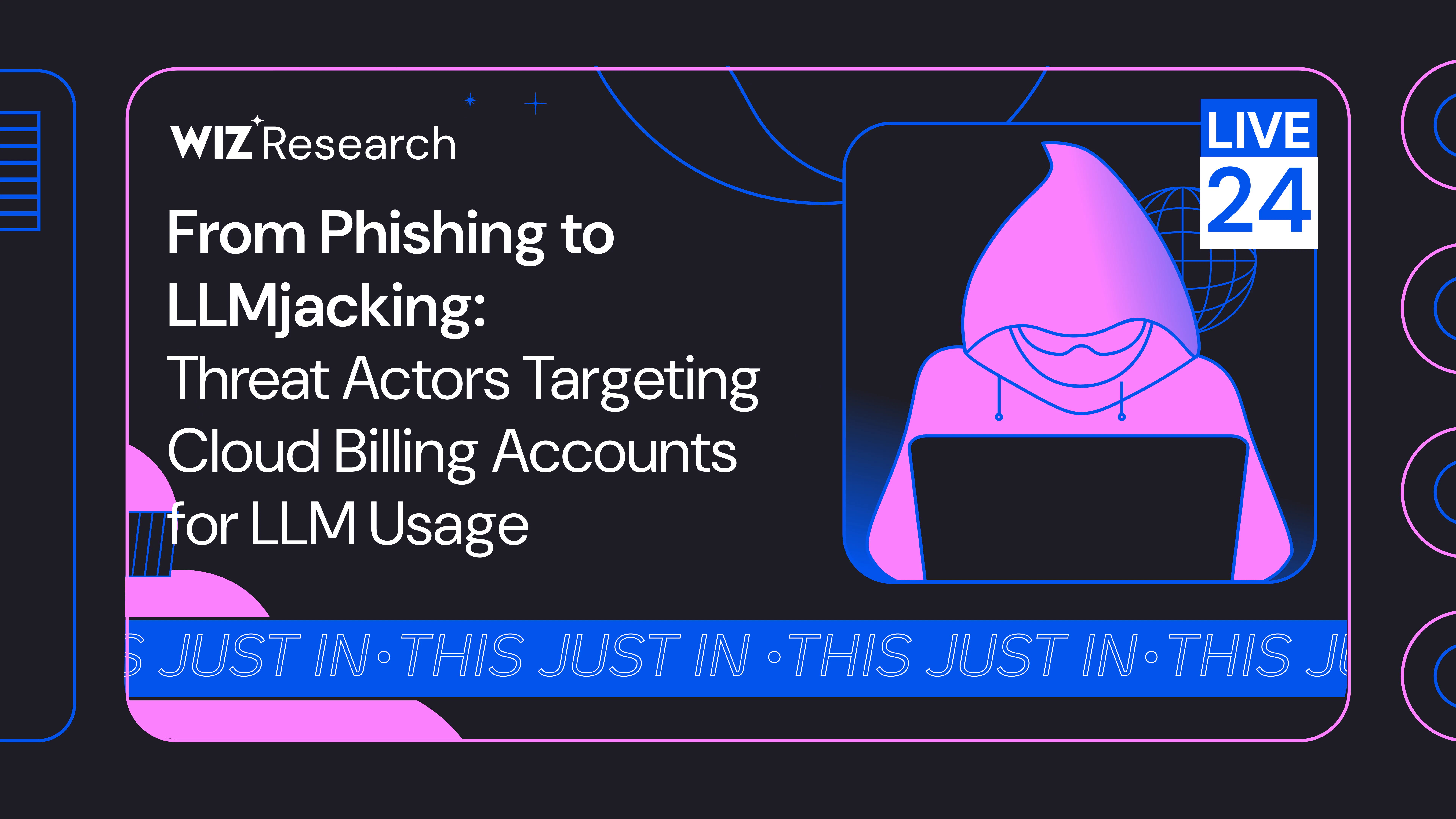
Researchers say a single click on a Google Search advert can end with stolen credentials and hundreds of thousands of dollars in unauthorised AI API charges.
Advisories published on 20 October 2026 cover leaked API keys, crossed-over client messages and a one-request memory crash, and two fixes need config changes.
Three US agencies published ten voluntary practices on 20 October 2026 covering how organisations should prepare for, detect and report incidents involving AI agents that go off the rails.
Dark Reading reports that a Chinese-speaking attacker used the AI-powered penetration-testing tool to automate intrusions at hundreds of sites, including John Deere and Cummins.
A researcher found the attackers' control panels sitting open on the internet, revealing agents that attacked over 1,200 sites with almost no human help.
Instructions buried in page code told WhatsApp's AI support assistant not to point users towards a data protection authority, according to The Hacker News.
A Hacker News piece published on 20 October 2026 describes "wild code" — AI-assisted apps and agents that employees build outside normal review processes.
The UK financial regulator says existing incident reporting rules must cover significant AI failures, as ministers weigh similar duties for agentic systems.
A CVE published on 20 October 2026 says the ginlix-ai coding agent executes attacker instructions found in retrieved web content, with no approval step.
A security advisory published on 19 October 2026 says the gateway never checks who owns a session on resume, and its Helm chart ships a publicly known encryption seed.
A flaw disclosed on 19 October 2026 lets attackers steer crewai-tools' headless browser at cloud metadata endpoints to pull internal data and credentials.
The company said on 19 October 2026 that it is treating AI agents as insider risk, with new identity, sandboxing and containment controls across its security stack.