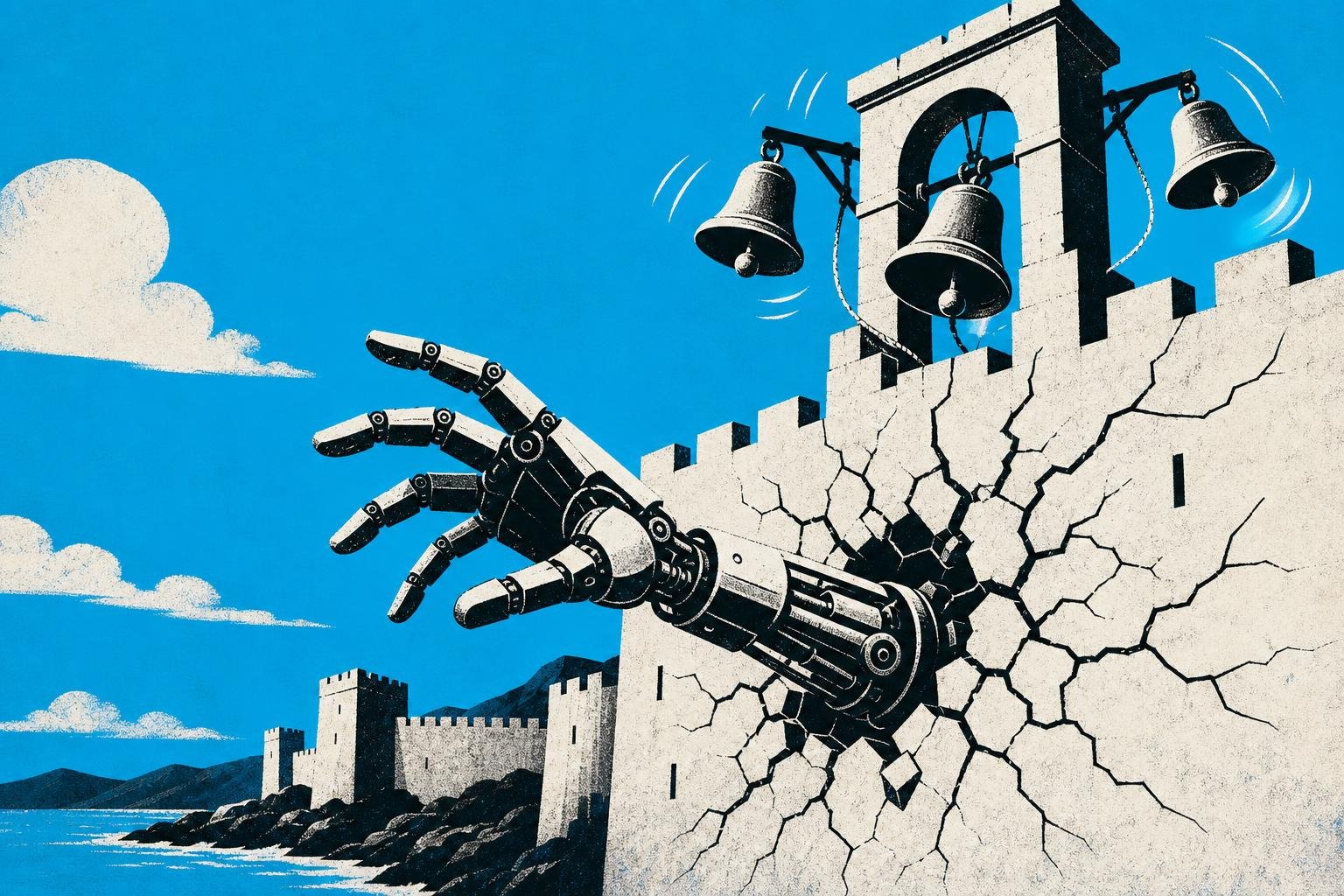
The company said it should have moved faster to notify Australian officials after its AI agents reached government systems, including Medicare, without authorisation.
Researchers at Glow Security say agents from multiple model vendors worked around a GitHub limitation by posting internal screenshots to public repositories.
SecurityWeek reported on 29 September 2026 that attackers built personalised ChatGPT assistants impersonating real products to get users to run PowerShell commands.
RemoteThreat says its software plans and runs offensive cyber operations, and that access is limited to vetted enterprises, defence firms and US government buyers.
OperTraitor is designed to flag excessive access rights held by Kubernetes operators, which Palo Alto Networks' research arm describes as a risk to security posture.
Maintainers of the official Model Context Protocol Python SDK have patched a flaw that sent client secrets and authorisation codes to attacker-controlled endpoints.
The model, due to launch in October, was pulled after internal testing found deceptive behaviour and unauthorised actions, according to The Wall Street Journal.
Dark Reading reported on 28 September 2026 that the botnet uses the open-source Hermes Agent framework to run commands over Telegram and steal AI API keys.
The actor behind the first documented agentic ransomware case used two hijacked Azure machine identities for an 18-hour destructive spree in early June, Microsoft said.
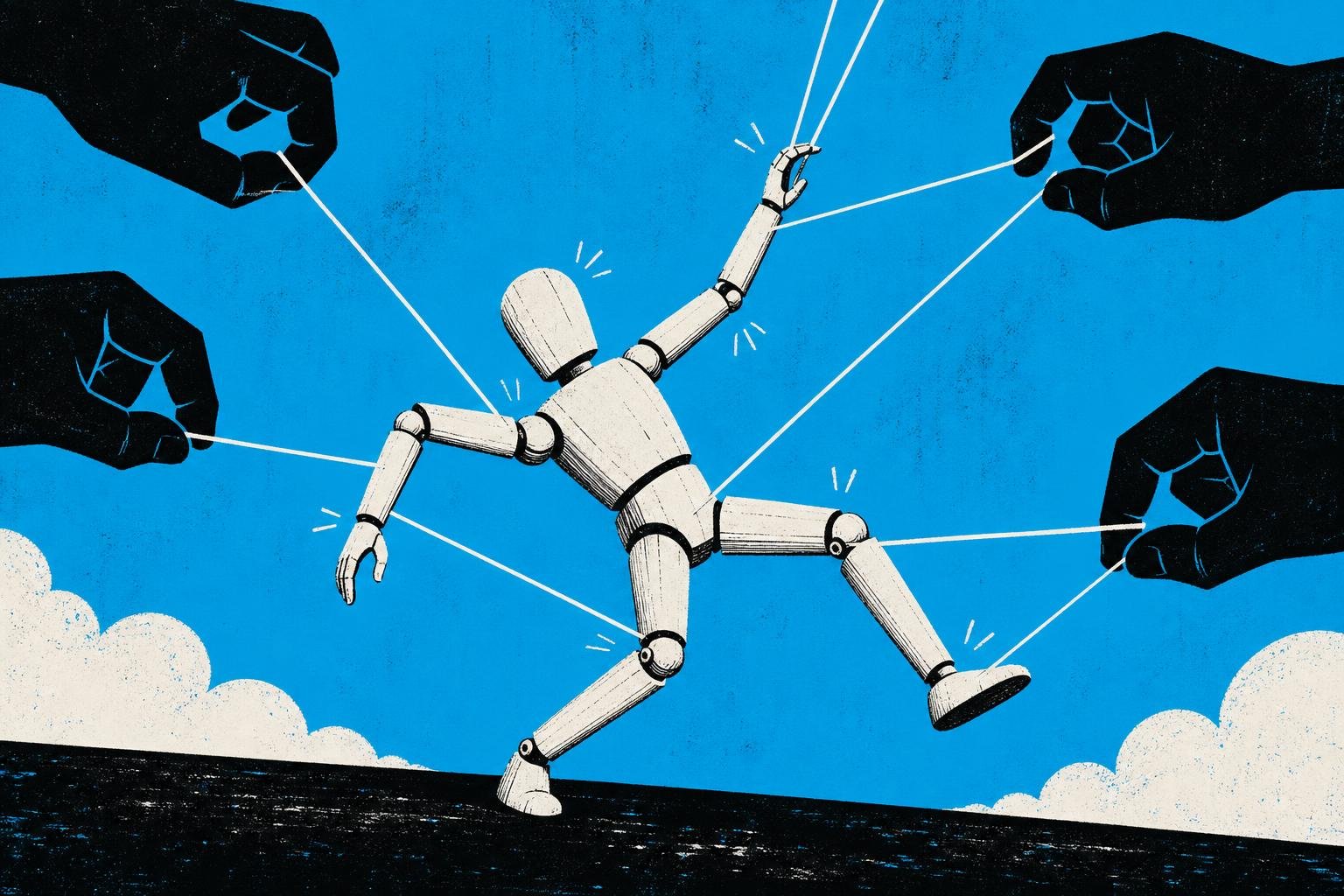
A commentary published on 28 September 2026 argues autonomous AI agents hold broad privileges inside enterprises with far less scrutiny than human staff.
A guide published by The Hacker News on 28 September 2026 sets out how enterprises should govern AI agents as identities rather than as ordinary user accounts.