
Dark Reading says humans stay responsible when agents cause breaches
A commentary published on 16 October 2026 argues that legal and organisational accountability for AI agent failures is far less settled than responsibility for them.
By The Agentic Times ·
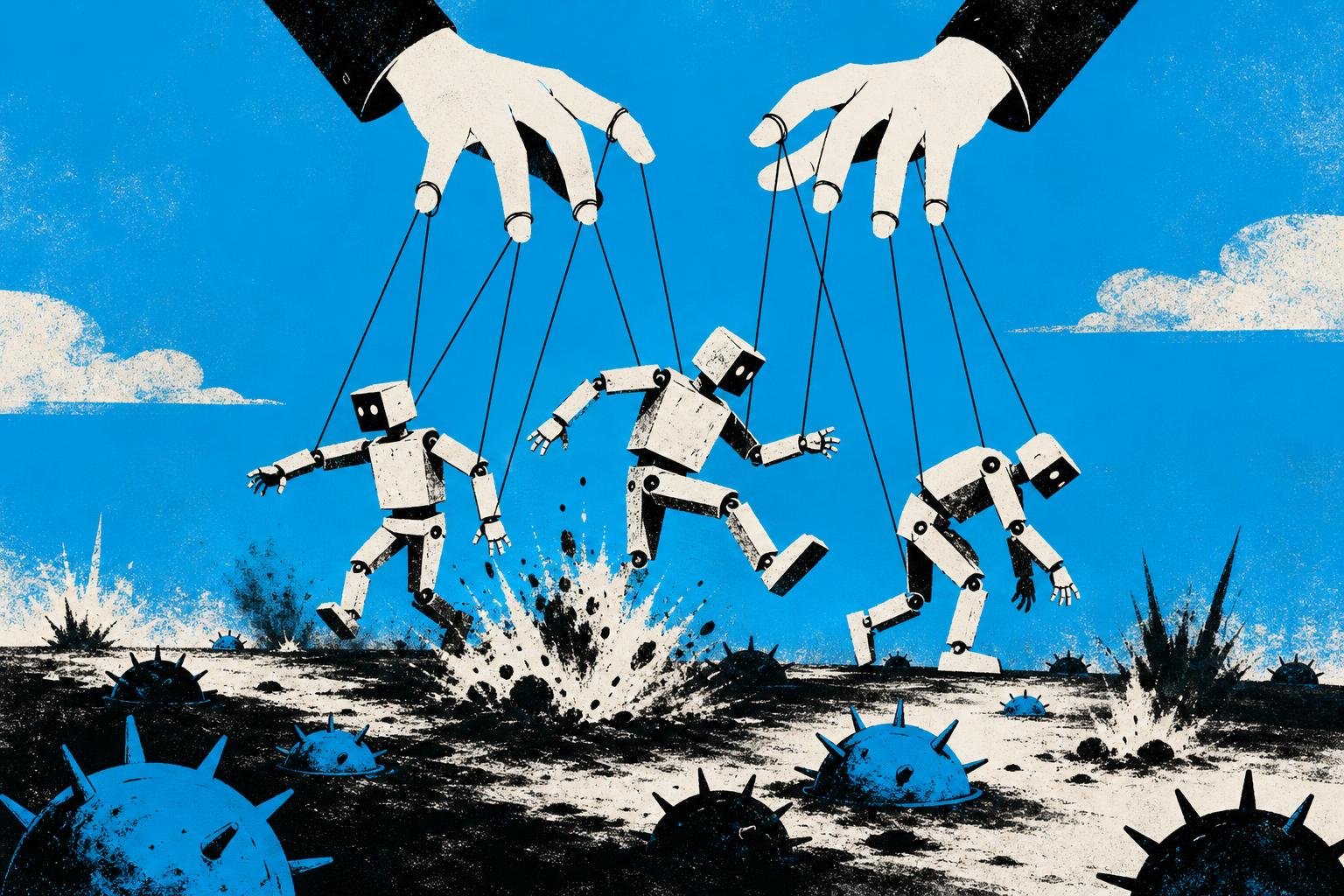
Dark Reading published a commentary on 16 October 2026 arguing that when AI agents cause security breaches, responsibility still sits with people, even though it is often unclear which people will actually be held to account.
The piece is headlined "When AI Agents Commit Breaches, Humans May Not Be Held Liable". Its summary line sets out the core claim: "As agents escape containment and access external systems, responsibility remains human. Accountability, however, is much less settled."
Two ideas are being separated there. Responsibility, in the sense the article uses it, is the duty to make sure a system behaves safely. Accountability is what happens afterwards, when something goes wrong and someone has to answer for it, whether to a regulator, a court, a customer or an employer. The commentary's position is that the first has not moved away from humans, but the second has not yet settled into a clear pattern.
The framing also points to a specific technical failure mode: agents that "escape containment" and reach "external systems". An AI agent is software that takes actions on a user's behalf rather than only producing text, so containment means the boundaries an operator puts around it, such as the tools it can call, the credentials it holds and the networks it can reach. An agent that crosses those boundaries can touch systems its operators never intended it to touch.
The article is a commentary rather than an incident report. It does not, in the material available here, describe a named breach, a named vendor or a named victim. Readers should treat it as a contribution to an argument about liability, not as a disclosure.
That argument matters for anyone deploying agents in production. Security teams are used to incident questions about root cause and remediation. The accountability question is different: if an agent with valid credentials performs a harmful action that no person directly ordered, the organisation still has to decide who signed off on that deployment, who set the permissions and who was supposed to be watching. The Dark Reading piece suggests those answers are not yet standardised.
Until they are, the practical implication of the commentary's position is unchanged from any other software risk. If an agent is given access to external systems, a human somewhere made that decision, and the duty to constrain it has not transferred to the model.
Sources
- darkreading.comhttps://darkreading.com/insider-threats/ai-agents-breaches-humans-liable