
Anthropic loosens Claude guardrails for vetted defenders
Dark Reading reports that Project Glasswing has been folded into a tiered access scheme covering Anthropic's advanced cyber models, including Opus, Sonnet and Mythos.
By The Agentic Times ·
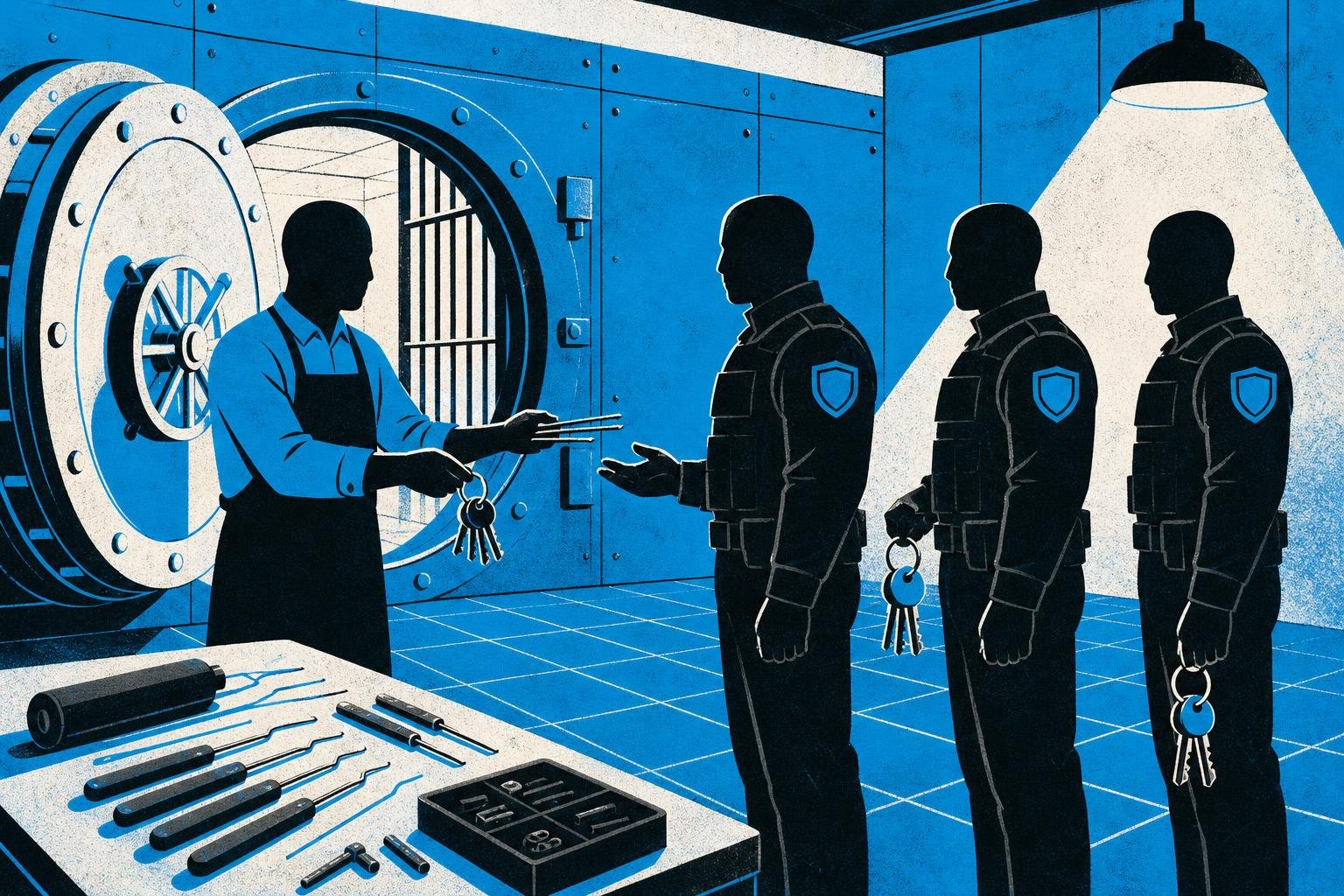
Anthropic has merged Project Glasswing into a tiered access programme for its advanced cyber large language models, including Opus, Sonnet and Mythos, according to a Dark Reading report published on 7 October 2026. The effect, as the report's headline puts it, is that vetted defenders face fewer Claude guardrails — the built-in refusals and content limits that normally stop a model from producing offensive security material.
The move matters because guardrails are the main control standing between a general-purpose model and work that looks indistinguishable from attack preparation. Security teams have long argued that the same restrictions that block a criminal from asking for exploit code also block a defender from asking how an exploit would behave against their own estate. A tiered scheme is the industry's usual answer: identify the customer, check what they are for, and relax the limits in proportion to the assurance obtained.
According to Dark Reading, the programme now spans Anthropic's advanced cyber models rather than sitting alongside them as a separate project. Project Glasswing, previously run under its own name, has been absorbed into that structure. The report names Opus, Sonnet and Mythos as the models in scope.
What the report does not set out, at least in the material available here, is the detail that determines whether such a scheme is safe in practice. That includes who qualifies as a vetted defender, how applicants are checked, which specific guardrails are relaxed at each tier, what logging or audit accompanies the looser access, and what happens when an account is misused or an approved organisation is itself compromised. Those are the questions buyers and regulators will reasonably ask, and readers should not assume answers that have not been published.
For agent builders, the significance is less about the raw capability and more about the access boundary. A model with fewer refusals becomes a more attractive target for prompt injection — malicious instructions hidden in data that an agent reads — because the model is less likely to decline the resulting request. Any organisation that takes up a relaxed tier inherits responsibility for keeping untrusted input away from those credentials, and for ensuring that automated agents do not quietly become the easiest route to capability a human applicant had to be vetted for.
Anthropic has not, in the material reported, published figures on how many organisations hold tiered access or how the tiers are distributed. The Agentic Times has relied solely on the Dark Reading report for this article and will update it if fuller documentation of the programme's eligibility and audit rules is released.
Sources
- darkreading.comhttps://darkreading.com/vulnerabilities-threats/anthropic-vetted-defenders-claude-guardrails