
AI-generated scripts broke into a US retailer in minutes
Dark Reading reports that an attacker who failed using hand-typed commands switched to AI-written scripts and moved laterally inside the retailer's network.
By The Agentic Times ·
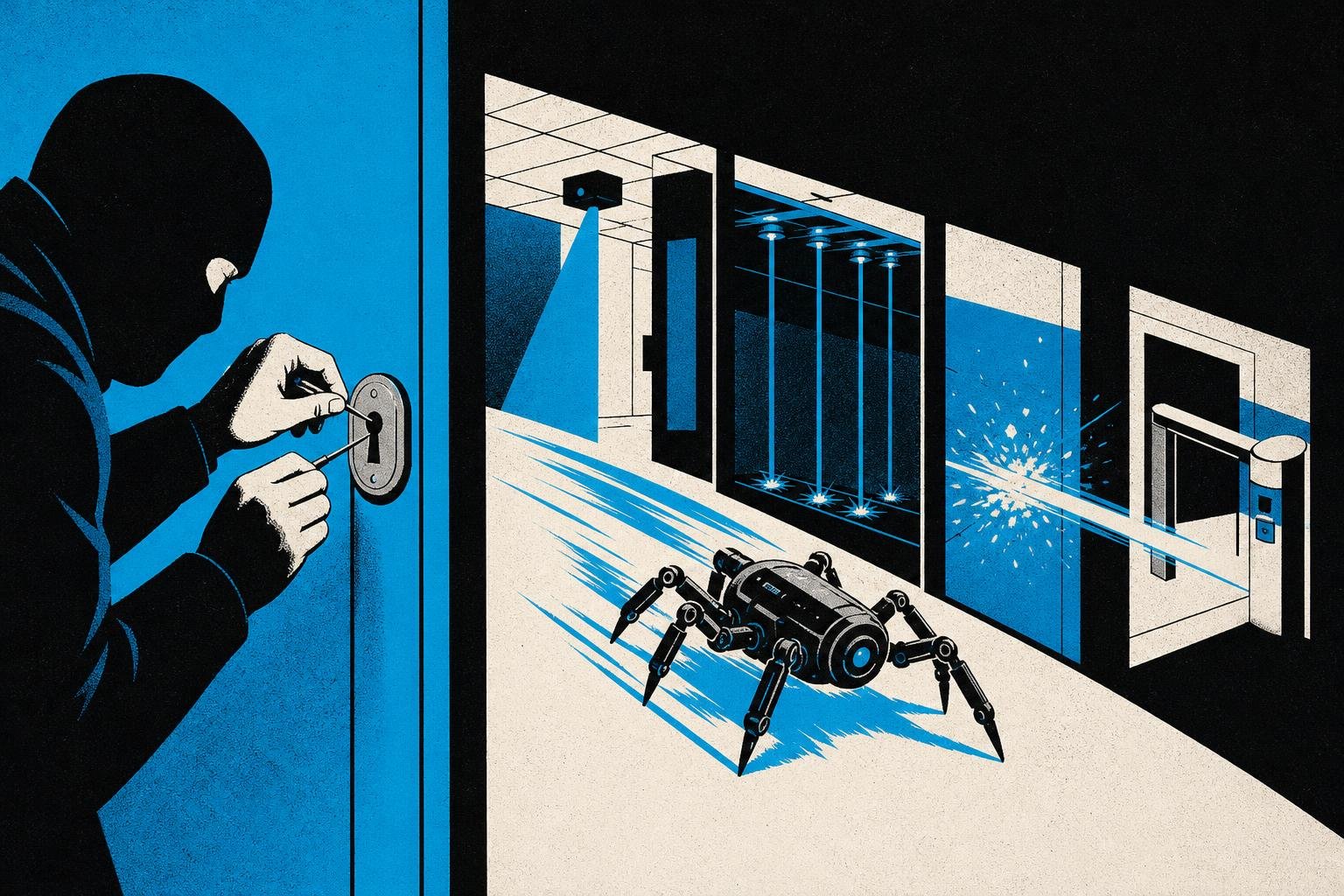
An attacker who could not break into a US retailer using manually typed commands succeeded after switching to AI-generated scripts, and then moved laterally through the victim's network within minutes, according to an account published by Dark Reading on 12 November 2026.
The report describes the change in tooling as the turning point in the intrusion. The hand-typed approach failed. The scripted approach, produced with the help of an AI system, worked, and the attacker achieved lateral movement — the stage of an attack in which an intruder moves from an initial foothold to other machines or accounts inside the same network — in a matter of minutes.
The retailer has not been named in the account relied on here. No vendor or product has been identified as the source of the AI assistance, and the account does not state which model or coding assistant was used, nor whether the attacker ran the scripts manually or handed execution to an automated agent. The timing of the intrusion itself is not given; the report is dated 12 November 2026.
For readers tracking the security of AI coding tools, the significance of the case is narrow but concrete. It is not a report of a flaw in an AI product. There is no disclosed vulnerability, no patch and no advisory. What is described is misuse: a general-purpose capability for generating working code being pointed at an intrusion that the same attacker could not complete by hand. That pattern matters because it shifts the question from whether an attacker has the skill to write a particular script to whether they can describe what they want.
The speed claim is the other detail worth noting. Minutes between a successful scripted foothold and movement across the network compresses the window in which defenders can notice an anomaly and act. Detection built around the assumption that an intruder will spend hours probing by hand will have less time to work, although the account does not say how the retailer eventually detected or contained the activity, or what data, systems or customers were affected.
The Agentic Times has not independently verified the account, and the available reporting does not identify the attacker, state a motive or attribute the activity to any known group. Nor does it say whether any AI provider's usage policies were breached, or whether the provider was notified. Those gaps are worth keeping in mind: a single narrative case, however vivid, is not evidence of how common this technique has become. Organisations assessing their own exposure would be better served by asking how quickly lateral movement would be spotted on their networks than by trying to filter out AI-written code, which is not reliably distinguishable from code written by a person.
Sources
- darkreading.comhttps://darkreading.com/cyberattacks-data-breaches/inside-ai-attack-us-retailer